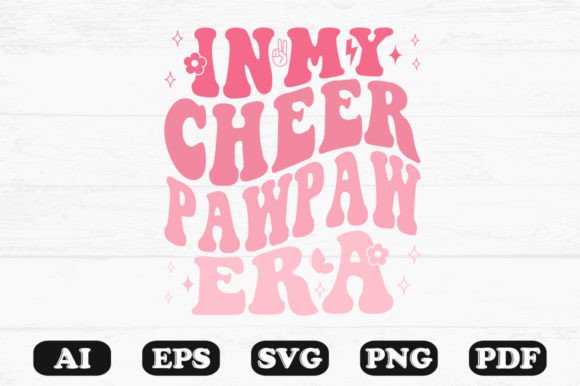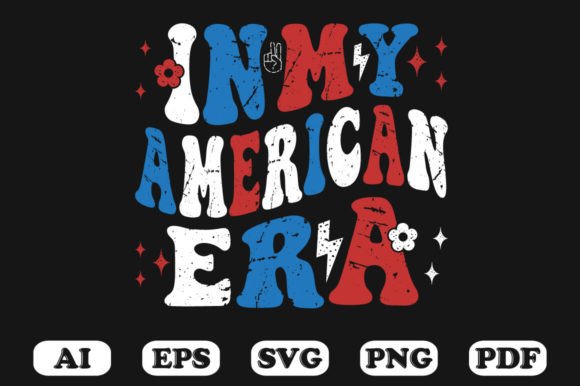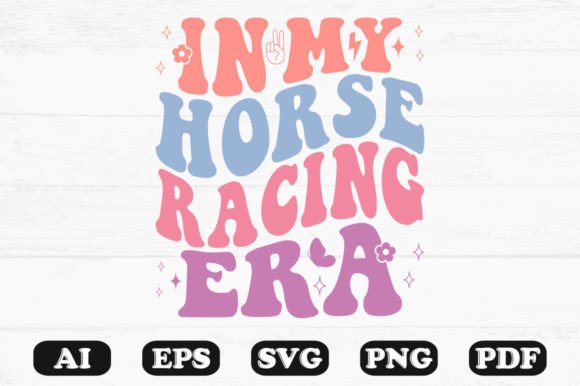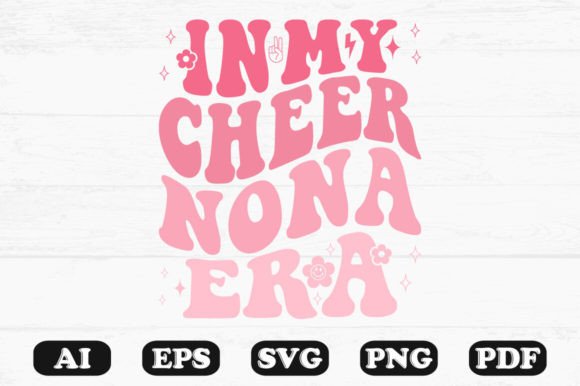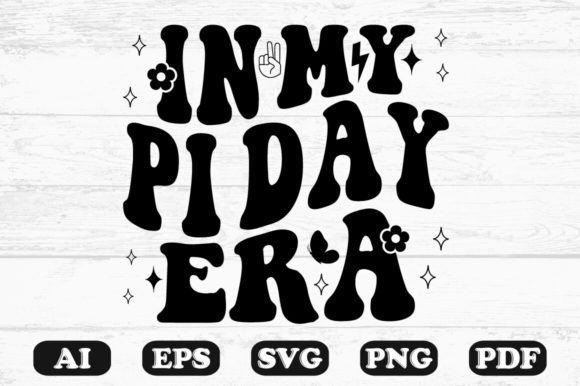
In My Pi Day Era Retro Wavy SVG
First Impressions: A Nostalgic Curve with Quiet Confidence
When I opened In My Pi Day Era Retro Wavy SVG, I didn’t just see typography—I felt a mood. It’s warm, playful, and deliberately unpolished in that charming mid-century way: soft undulating baselines, slightly uneven letter spacing, and rounded terminals that nod to 1970s signage and vintage math classroom posters. There’s no aggressive sharpness here—no jagged edges or hyper-modern minimalism. Instead, it leans into rhythm and flow. As an embroidery designer who tests hundreds of digital files each year, I immediately asked: *Where would this live best in the real world?* Not on a high-density corporate polo—but on a cotton tote bag handed out at a local science fair, or stitched onto a cozy sweatshirt for a teacher who loves pi jokes and analog charm.
A Real-World Test: Embroidering It on a Linen-Cotton Kitchen Towel
Last week, I used In My Pi Day Era Retro Wavy SVG for a small-batch kitchen towel order—a gift set for a math teacher’s retirement. The fabric was medium-weight linen-cotton blend: textured, slightly absorbent, and unforgiving of sloppy digitizing. I converted the SVG to a machine embroidery design using my standard workflow, keeping stitch density moderate and opting for a satin stitch outline with light fill stitch on the thicker letters. The result? Crisp readability at 4.5 inches wide, gentle wave motion preserved, and zero thread nesting in the curves. Customers loved how it looked “hand-drawn but intentional”—a rare win for text-based embroidery. That tells me In My Pi Day Era Retro Wavy SVG isn’t just decorative; it carries personality that translates across finished products.
Where It Shines (and Where It Needs Care)
This design naturally excels in contexts where warmth and approachability matter more than precision:
- Custom apparel: Works beautifully on crewneck sweatshirts, relaxed-fit tees, and oversized totes—especially when paired with earthy thread colors like burnt sienna, slate gray, or oatmeal.
- Baby embroidery: Soft curves read well on onesies and burp cloths, though I’d avoid the smallest size options unless you’re using ultra-fine needles and lightweight stabilizer.
- Holiday & gift embroidery: Perfect for Pi Day (March 14), back-to-school bundles, or STEM-themed baby showers—its retro vibe feels celebratory without being childish.
- Small shop product: Ideal for boutique branding on aprons, tea towels, or pillow covers where handmade presentation matters more than mass-market polish.
But be thoughtful about placement and substrate:
- Avoid tight hoop sizes under 4 inches—the wavy baseline needs breathing room to retain its character.
- Test carefully on stretchy fabrics like jersey knits; the curve can distort if tension isn’t balanced with cutaway + tear-away stabilizer combo.
- On dark fabric, use matte thread—not glossy—to preserve the vintage texture. Bright white thread on black can feel too stark; off-white or cream reads truer to the original SVG’s tone.
- Don’t force it onto curved surfaces like caps without re-digitizing the wave path—it’ll flatten unnaturally on the front panel.
What It Adds to Your Craft Business—and What It Doesn’t Promise
In My Pi Day Era Retro Wavy SVG elevates perceived value because it looks hand-crafted, even when stitched digitally. Customers notice that. On Etsy listings, it boosts engagement—especially among educators, makers, and nostalgic millennials looking for meaningful, non-generic designs. It supports brand consistency for shops focused on STEM, learning, or retro-lifestyle themes. But let’s be clear: it’s not a technical marvel. It won’t replace a custom-drafted applique design for complex layered projects. It’s a Typography SVG first—clean, rhythmic, and purpose-built for legibility at scale. That makes it reliable for commercial embroidery, but only if you treat it as a thoughtful tool—not a magic fix.
Practical Designer Notes Before You Stitch
Before using In My Pi Day Era Retro Wavy SVG in your next embroidery project, do these five things:
- Test on scrap fabric—same weight and weave as your final product—to confirm how the wave holds up under actual needle movement.
- Check thread color contrast in natural light, not just on screen. Some retro palettes fade visually when stitched densely.
- Review stitch density in your embroidery software. If the file came as a raw SVG, avoid overloading curves with unnecessary fill stitches—they’ll blur the wavy rhythm.
- Confirm licensing before selling finished items or bundling it into digital embroidery files. Since it’s listed as a Graphics product, verify whether commercial use is included.
- Use proper stabilizer—especially for textured or loosely woven fabrics. A single layer of medium-weight cutaway often does more for clarity than doubling up on thread count.
Final Thought: A Design That Serves Its Moment
In My Pi Day Era Retro Wavy SVG doesn’t try to be everything. It’s not minimalist. It’s not futuristic. It’s not designed for tiny monograms or high-thread-count corporate uniforms. It’s a focused, mood-driven piece built for real craft business needs: personalized gifts that spark joy, small shop merchandise with soul, and embroidered pieces that feel like they belong in someone’s lived-in, curious, quietly joyful world. Whether you’re an Etsy seller building a niche collection, a small-batch apparel decorator, or a hobbyist stitching for love—not just likes—this design earns its place by staying true to its era, its curve, and its purpose.